
The March/April issue of Viking magazine features an article by Marte Østmoe about Norwegian budeier, the high pasture dairymaids who herded and milked cows, goats and sheep over the summer, churning out cheese and butter.
There are many delightful cheeses in Norway, and brunost or brown cheese is somewhat of a national obsession. Unlike some culinary histories lost to the ages, one type of brunost has a documented origin.
In 1863, Anne Solbrå was working as a budeie, tending to cows over the summer on her family's farm in the Gudbrandsdal Valley. Part of her job was to process milk into cheese and butter. When you make cheese, the resulting byproduct is a liquid called whey. Whey cheese products are found in documentation reaching back to the 1400s, and they were usually made using goat cheese.
In 1863, when Anne was 17, inspiration struck and she had the idea to add cream to the whey, which after boiling resulted in a rich, firm product similar to cheese. The result came to be known as Gudbrandsdalsost.
Anne was a true innovator and experimented with different ingredients and ratios. She decided to use both goat and cow's milk to create a rich, smooth and tangy cheese. Soon her cheese was flying off the shelves, during an era in which few women were in business. Solbrå's transformation of a waste product into a flavorful food helped save struggling farms in Gudbrandsdalen.
In 1908, her recipe went into more widespread production at Tretten Dairy. Anne was rewarded for her efforts. At age 87, she was given the King's Medal of Merit for her contributions to the national economy and Norwegian cuisine.
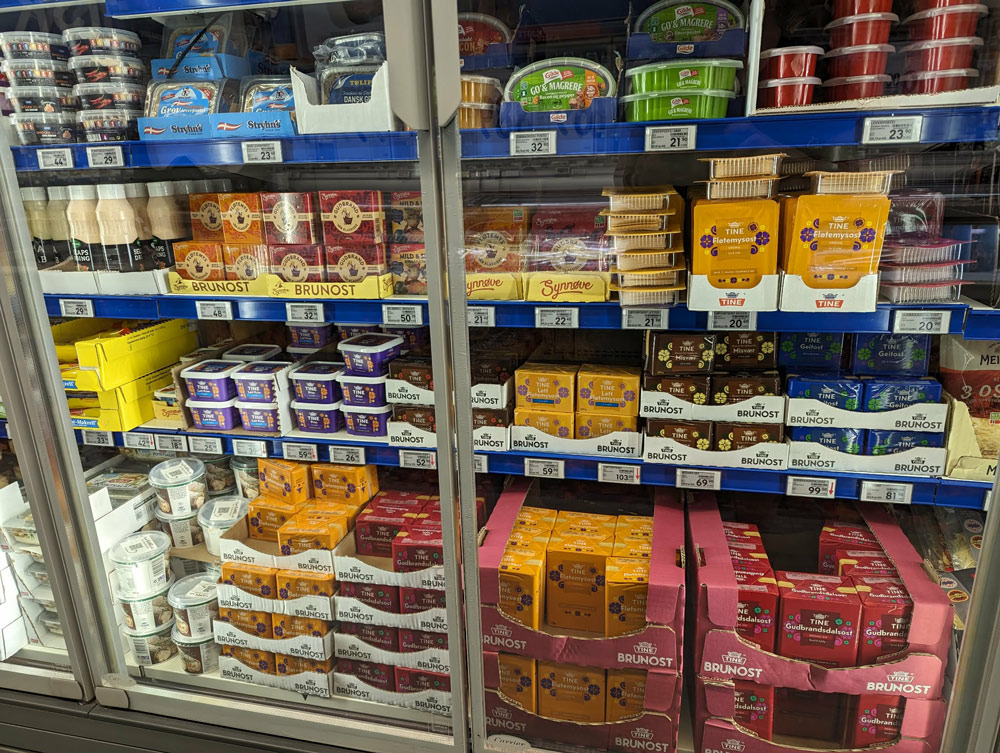
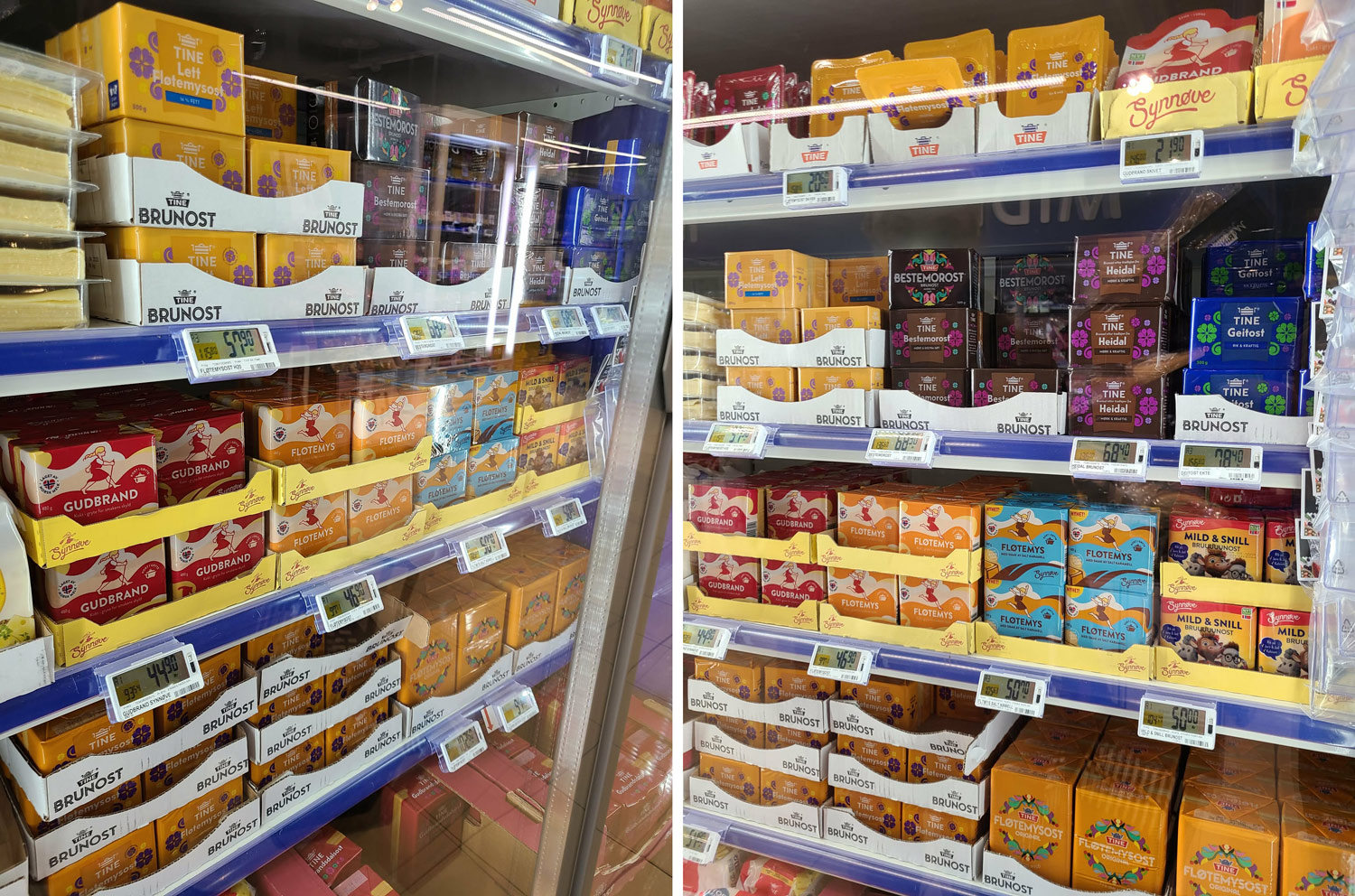
Norwegian brown cheese remains a significant part of Norway's food culture. Most grocery stores have a full dairy case of various types of brown cheese.
Solbrå farm where Gudbrandsdalsost was born is preserved as a museum that you can tour, so you can step into the wooden house to see where Anne Solbrå Hov concocted her cheeses. Visitors can learn about how brown cheese is made and find out more about its history. The museum also has a cafe where you can try waffles with brunost and other treats.
Take a look at Solbrå farm: https://www.facebook.com/Solbraasetra/
Sources:
https://snl.no/brunost
https://www.tinebrunost.com/article/the-birthplace-of-brunost-solbrasetra